
Automated Home Security systems offer convenience and potential safety benefits, but they also introduce new security risks. It’s not a simple yes or no answer; the level of security depends on the specific system, how it’s set up, and user practices. While some systems can deter burglars and provide early warnings, others may have vulnerabilities that can be exploited.
In today’s fast-paced world, the importance of home security has never been more critical. With technological advancements, automated home security systems have become increasingly popular, promising peace of mind for homeowners.
The global security automation market value grew rapidly to $9.1 billion in 2023 and is estimated to reach $26.6 billion by 2032, exhibiting a CAGR of 12.2% from 2024 to 2032. The cloud computing model is widely utilized due to its strong and universal architecture.
But, considering the convenience they offer, how do we truly know if our homes are secure? Are these systems foolproof, or do they come with vulnerabilities that could compromise our safety?
Explore the effectiveness of automated home security solutions, assess their strengths and weaknesses, and provide insights to help you make informed decisions about safeguarding your home. Uncover the truth behind automated security systems and determine if your house is as secure as it seems. Home security has evolved over the years. Today, many people use automated home security systems. But, is your house really secure with these systems?
Potential Benefits: Automated Home Security Systems.
- Deterrent: Security systems, including cameras and alarms, can deter burglars.
- Early Warning: They can provide immediate alerts of potential intrusions, allowing for timely action.
- Remote Monitoring: Many systems allow remote monitoring of your property, including live video feeds.
- Convenience: Smart home automation can integrate with security systems for a more convenient user experience.
Potential Risks: Automated Home Security Systems.
- Vulnerabilities: Smart home devices can be vulnerable to hacking, potentially exposing personal data or allowing unauthorized access to your home.
- Data Privacy: Some systems collect data about your usage, which could be a privacy concern.
- System Failures: Power outages or internet disruptions can disable some systems, leaving you vulnerable.
- Dependence: Over-reliance on smart systems can lead to complacency and potentially increase risks in some situations.
- Regulation: There may be limited regulation regarding the privacy and security of smart home devices.
Recommendations: Automated Home Security Systems with Security Pan.
- Research thoroughly: Investigate the security features and potential vulnerabilities of any system before purchasing.
- Secure your network: Use strong passwords and consider using a separate network for smart home devices.
- Keep devices updated: Regularly update your devices to patch security vulnerabilities.
- Consider wired systems: Wired systems can be more secure than wireless systems.
- Don’t rely solely on technology: Maintain a level of situational awareness and be prepared to take additional security measures.
- Backup your system: Have a backup plan for power outages or internet disruptions.
- Be mindful of data privacy: Understand what data is collected and how it is used.
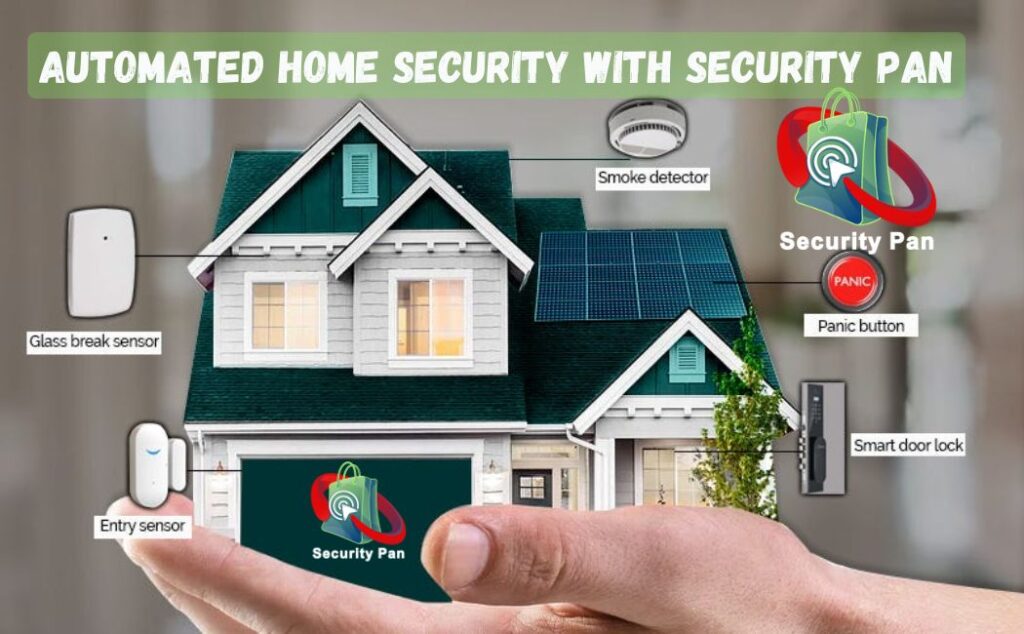
How to Make Your Automated Home Security More Secure?
To improve the security of your automated home system, start by using strong, unique passwords for all devices and changing them regularly. Enable two-factor authentication wherever possible to add an extra layer of protection. Regularly update the firmware and software of your devices to protect against vulnerabilities.
Additionally, invest in a reliable network security system, such as a virtual private network (VPN), and consider segmenting your smart devices on a separate network to minimize risks. Monitoring your home security system with alerts for unusual activity can also help you respond quickly to potential threats. Here are some tips to improve your automated home security:
1. Use Strong Passwords
Always use strong passwords for your security devices. Change them regularly to keep hackers at bay.
2. Keep Software Updated
Update your security system’s software regularly. This ensures you have the latest security features.
3. Install Firewalls
Use firewalls to protect your network. This adds an extra layer of security.
4. Secure Your Wi-fi Network
Make sure your Wi-Fi network is secure. Use WPA2 encryption and a strong password.
5. Regular Maintenance
Check your security devices regularly. Make sure they are working properly.
Pros and Cons of Automated Home Security: Is Your House Really Secure?
When considering implementing automated home security systems, it is essential to weigh both the advantages and disadvantages to determine if your home is genuinely secure. Automated home security systems offer several advantages. They provide constant surveillance and deter potential intruders, offer remote monitoring and control via smartphone apps, and often come with additional features like fire and carbon monoxide detection. These systems can also potentially lower home insurance premiums.
On the downside, automated systems can be costly to install and maintain, may be susceptible to hacking, and could potentially raise privacy concerns due to constant monitoring. It’s essential to weigh the pros and cons to determine if an automated home security system is the right choice for you.
Advantages of automated home security:
This system offers enhanced convenience and peace of mind. With features such as remote monitoring, you can keep an eye on your property from anywhere through your smartphone or tablet. This capability allows homeowners to receive real-time alerts about any suspicious activity, enabling prompt responses to potential threats. Additionally, many systems include smart locks and surveillance cameras, providing an extra layer of protection and deterrence against intruders.
Moreover, these systems can often be integrated with other smart home devices, creating a cohesive security network that can be controlled easily. Another notable advantage is the potential reduction in insurance premiums, as many insurance companies offer discounts for homes equipped with advanced security systems.
Disadvantages Of Automated Home Security:
There are also cons to consider. One major concern is the reliance on technology, which can sometimes fail due to power outages, internet connectivity issues, or technical malfunctions. Such failures may leave your home vulnerable during critical moments. Furthermore, the initial costs of installing automated security systems can be significant, and ongoing subscription fees for monitoring services may add to the financial burden over time.
Privacy is another issue that needs to be addressed, as the use of cameras and sensors can raise concerns about surveillance and data security. Many people worry about who has access to their footage and personal information, which can lead to feelings of unease. Lastly, while automated systems can enhance security, they are not foolproof, as determined intruders may still find ways to bypass these measures.
However, while automated home security systems offer numerous benefits such as convenience and potential cost savings, they also come with drawbacks that homeowners should carefully consider. Ultimately, the question remains: Is your house really secure?
Informative article: How Cybersecurity Fencing Protects Your Home from the Latest Cyber Threats?
Conclusion: Automated Home Security – Is Your House Really Secure?
Automated home security systems offer a range of benefits that can enhance the safety of your home. They provide real-time monitoring, remote access, and integration with smart devices, making it easier to manage your security from anywhere. However, it’s essential to consider potential vulnerabilities, such as hacking risks and reliance on internet connectivity. To ensure your automated home security system is effective, prioritize the following:
- Choose Reputable Brands: Invest in well-reviewed products known for their security features.
- Regular Updates: Keep your system updated to protect against new threats.
- Secure Your Network: Use strong passwords and encryption to safeguard your Wi-Fi connection.
- Layered Security: Consider combining automated systems with traditional security measures for enhanced protection.
Ultimately, while automated home security can significantly improve your home’s safety, no system is foolproof. Regular assessments and updates are crucial to maintaining a secure environment.
FAQs: Automated home security systems with Security Pan.
1. What Is Automated Home Security?
Automated home security refers to the use of technology to improve the safety and security of a home. This system typically integrates various devices and sensors that can monitor the home environment, detect potential threats, and allow homeowners to manage their security remotely.
Key Features of Automated Home Security:
Smart Sensors: These sensors can detect movement, doors opening, or windows being breached. They often send alerts to homeowners via smartphones.
Surveillance Cameras: Security cameras can provide real-time video feeds and recordings. Many systems include features like night vision and motion detection.
Smart Locks: Automated locks allow homeowners to control access to their homes through smartphones or keypads, enabling remote locking and unlocking.
Alarm Systems: These systems can trigger alerts when unauthorized access is detected. They can be linked to local authorities for immediate response.
Home Automation Integration: Many automated security systems can be integrated with other smart home devices, such as lights and thermostats, allowing for enhanced security protocols.
Remote Access: Homeowners can monitor their property and control security devices from anywhere using a mobile app or web interface.
Notifications and Alerts: Users receive real-time alerts about security events, allowing for quick responses to potential threats.
Overall, automated home security systems aim to provide peace of mind by allowing homeowners to monitor and control their home’s safety from anywhere.
2. How Does Automated Home Security Work?
Automated home security systems use a combination of sensors, cameras, and alarms to monitor and protect your home. These systems are connected to a central hub that communicates with various devices, such as door and window sensors, motion detectors, and surveillance cameras. When a sensor is triggered, the system sends alerts to your smartphone or a monitoring service. Many systems also allow for remote access, enabling homeowners to view live feeds or control the system from anywhere. This integration of technology helps enrich safety and provides peace of mind.
3. Are Automated Home Security Systems Reliable?
Yes, it integrates devices like cameras and sensors to detect threats and alert you instantly. They offer real-time monitoring and instant alerts, enhancing home safety.
4. Can I Control Automated Security Remotely?
Yes, most systems allow remote control through smartphone apps, offering convenience and peace of mind. Key features include real-time alerts, remote monitoring, smart locks, and integration with other smart devices.
5. What Are The Key Features Of Automated Home Security?
Automated home security systems offer several key features that improve safety and convenience. These include real-time monitoring through cameras and sensors, remote access via smartphone apps, and automated alerts for unusual activities. Many systems incorporate smart locks and lights, allowing homeowners to control entry points and visibility.
Additionally, integration with other smart home devices can provide a comprehensive security solution, enabling users to create customized settings and receive notifications instantly. Overall, these features work together to provide peace of mind and greater control over home security.
6. Is home security worth it?
Yes, Home Security Systems are totally worth it. They ensure the safety and security of your house 24/7. The University of North Carolina did a survey of over 400 convicted burglars and found out that 80% of burglars check for the alarm or home security systems before they try to break in.
7. Which is the most vulnerable home?
The most vulnerable homes due to flood are (i) Buildings which are constructed with earth-based materials or using stone and brick in mud mortar are highly vulnerable to damage in heavy rains and/or floods.

